NEO Security / Approach
01 — 05Context over alerts.
Assessment over assumptions.
Our product philosophy starts with a simple question an operator asks every shift: what is actually happening out there, and how sure can I be?
A relationship, not a score
Zone → signal → evidence → assessment.
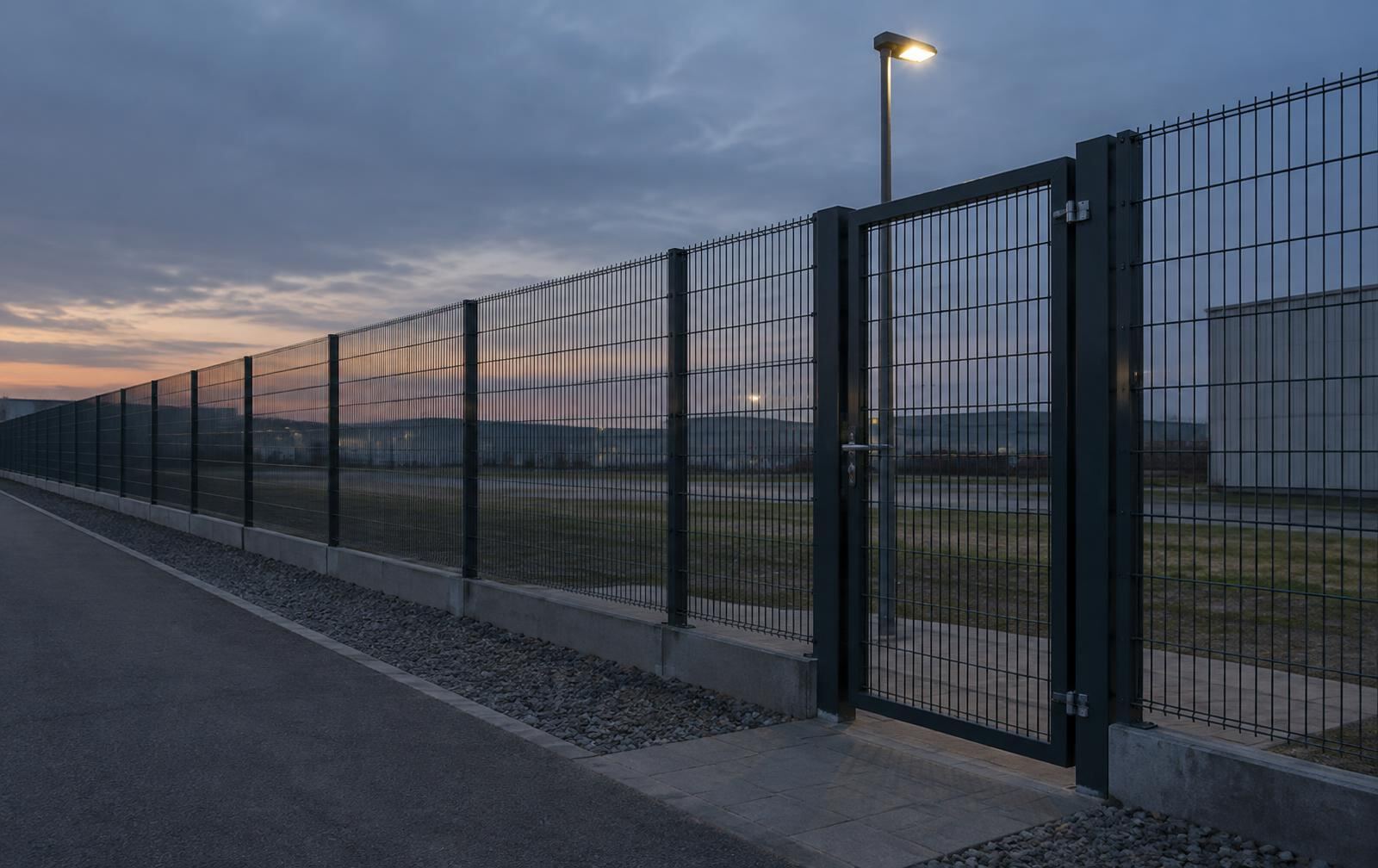
A signal near a gate has a location. Its source gives it provenance. Visibility and coverage set its limits. Together, those details help a person decide what needs closer review.
This is the intended relationship between information and judgment — not a claim of validated detection.
- P.01
Context instead of isolated alerts
An event means little on its own. We want each one placed in its zone, near its gate, alongside whatever else the available sensors observed.
- P.02
Clear explanations instead of unexplained outputs
When the system suggests something, the operator should be able to see why — not just receive a label and a score.
- P.03
Transparency about uncertainty and sensor quality
Poor visibility, a single source, or a degraded sensor change how much an observation should be trusted. That belongs on screen, not hidden.
- P.04
Traceable information
Where did this come from? When? From which sensor? Provenance is part of the assessment, not an afterthought.
- P.05
Human judgment and operator oversight
Security personnel make decisions. The product exists to support their understanding, not to replace it or act on its own.
- P.06
Grounded in real physical environments
Fences, yards, docks, lighting, weather. We design for how perimeters actually look and behave, not idealized ones.
What we won't claim
These principles describe how we design. They don't guarantee every incident will be detected, that evidence is automatically verified, or that security failures become impossible. No honest perimeter product can promise that — and we'd rather tell you so up front.
Discuss NEO
Does this match how your team works?
We'd value hearing how assessment really happens on your site, and where today's tools get in the way.